Typical Tour du Mont Blanc Breakfast Foods
Before hiking the Tour du Mont Blanc, I really didn’t know what to expect when it came to food.
Our guide company handled all of our hotel reservations and daily logistics, and I knew the trip included breakfast and dinner each day. What I didn’t know was what “included breakfast” actually meant in small mountain hotels scattered across France, Italy, and Switzerland.
As it turns out, breakfast became one of my favorite parts of every day.
I would like to note that we stated at small hotels and not the mountain huts or refugios. Th food that I saw at the huts as we hiked through looked absolutely spectacular but I cannot speak to what they served for breakfast.
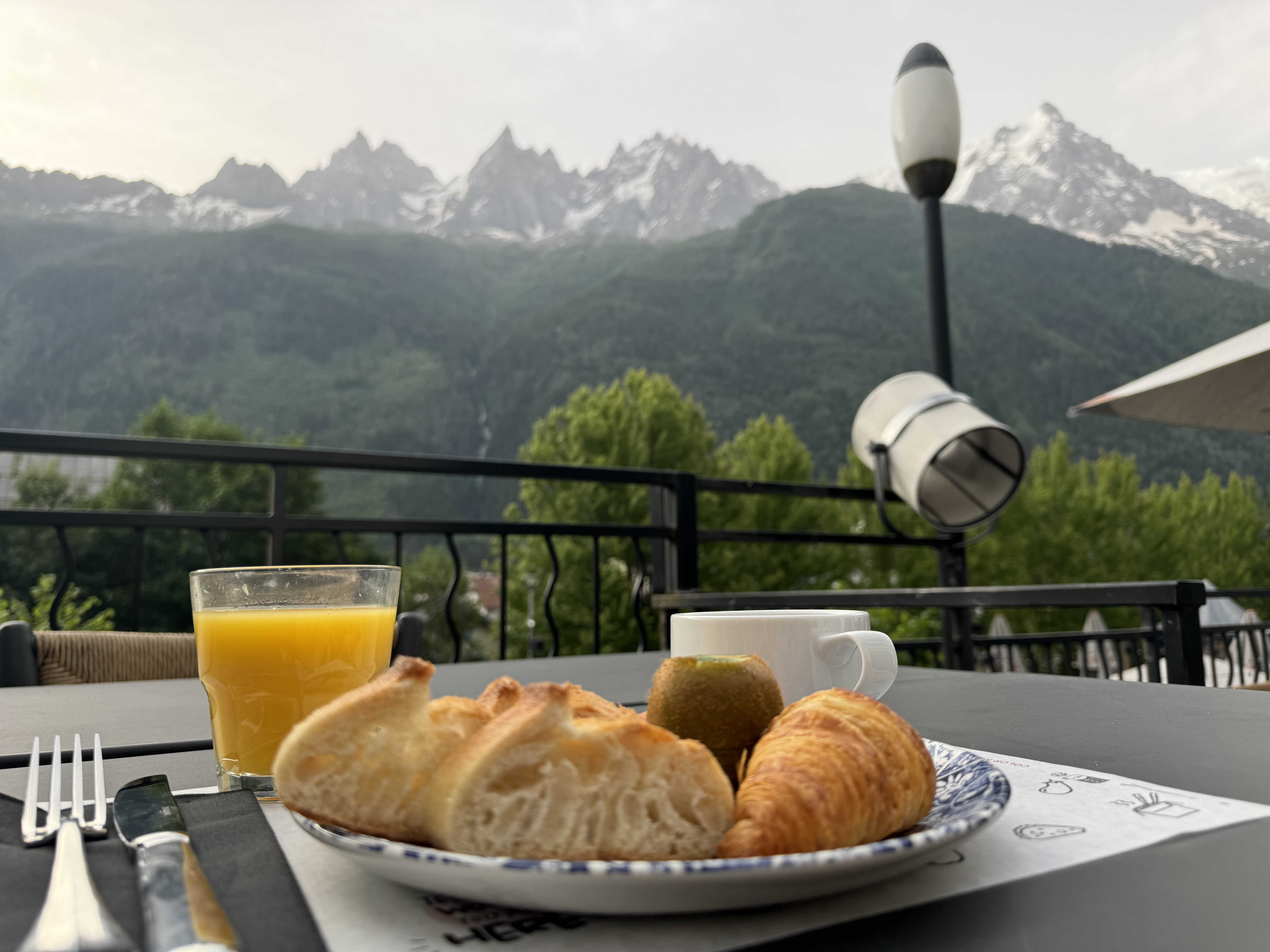
Starting the Day
Most mornings breakfast was served sometime between 6:00 and 7:00 a.m. We would usually begin hiking around 8:00 a.m., which meant there was a lot to accomplish before heading out the door.
Each morning we needed to finish packing our luggage, leave our transfer bags downstairs to be picked up by the luggage service, fill water bottles, grab coffee, and make sure we were ready for whatever the day held.
Unlike a typical vacation, our schedule was built around the trail.
Some days we would hike seven hours. Other days stretched to ten or eleven. Depending on weather conditions, trail conditions, and how everyone was feeling, we might add a variant route that increased the distance and elevation gain. We rarely knew exactly how long the day would be until we were already out on the trail.
That made breakfast important.
What Was Served?
Every hotel was a little different, but there were some common themes.
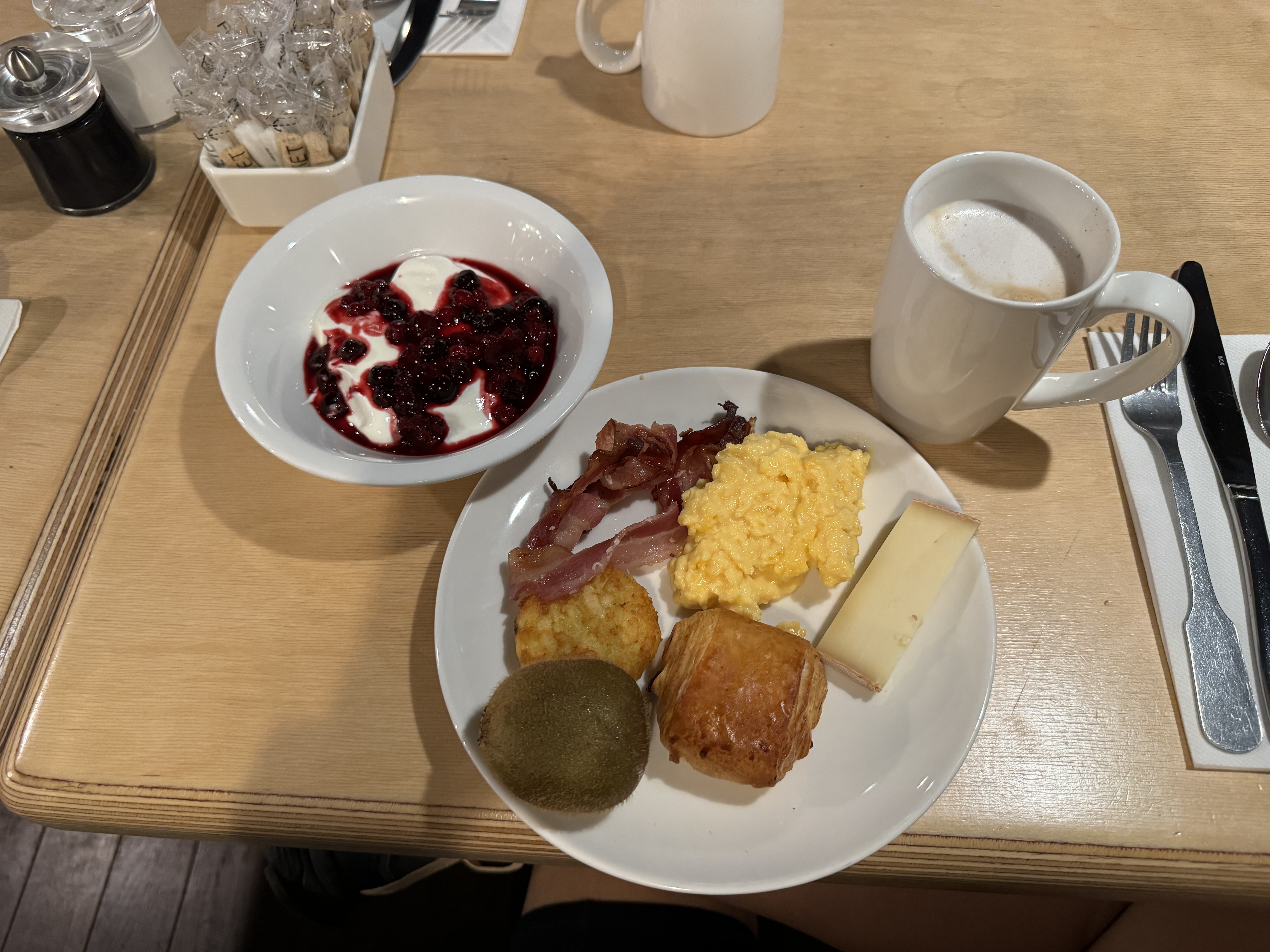
There was almost always some type of egg available. Sometimes scrambled eggs were served. Other mornings there were hard-boiled eggs. A few hotels had raw eggs available along with a griddle or egg cooker so guests could prepare them however they liked.
Fresh fruit was always available, and I found myself gravitating toward kiwi nearly every morning. For some reason I was surprised by how much fresh fruit was available in the mountains, but it seemed to be everywhere.
There was usually plain yogurt along with a selection of jams and preserves. I quickly developed a habit of adding a spoonful of jam to my yogurt for a little sweetness.
Most buffets also included sliced meats, cheeses, fresh bread, butter, preserves, tomatoes, and other vegetables.
One thing that surprised me was what wasn’t commonly served.
As an American, I expected to see bacon and breakfast sausage everywhere. Instead, breakfasts leaned much more European with deli-style meats, cheeses, breads, fruit, and eggs taking center stage… I did end up finding bacon one morning.
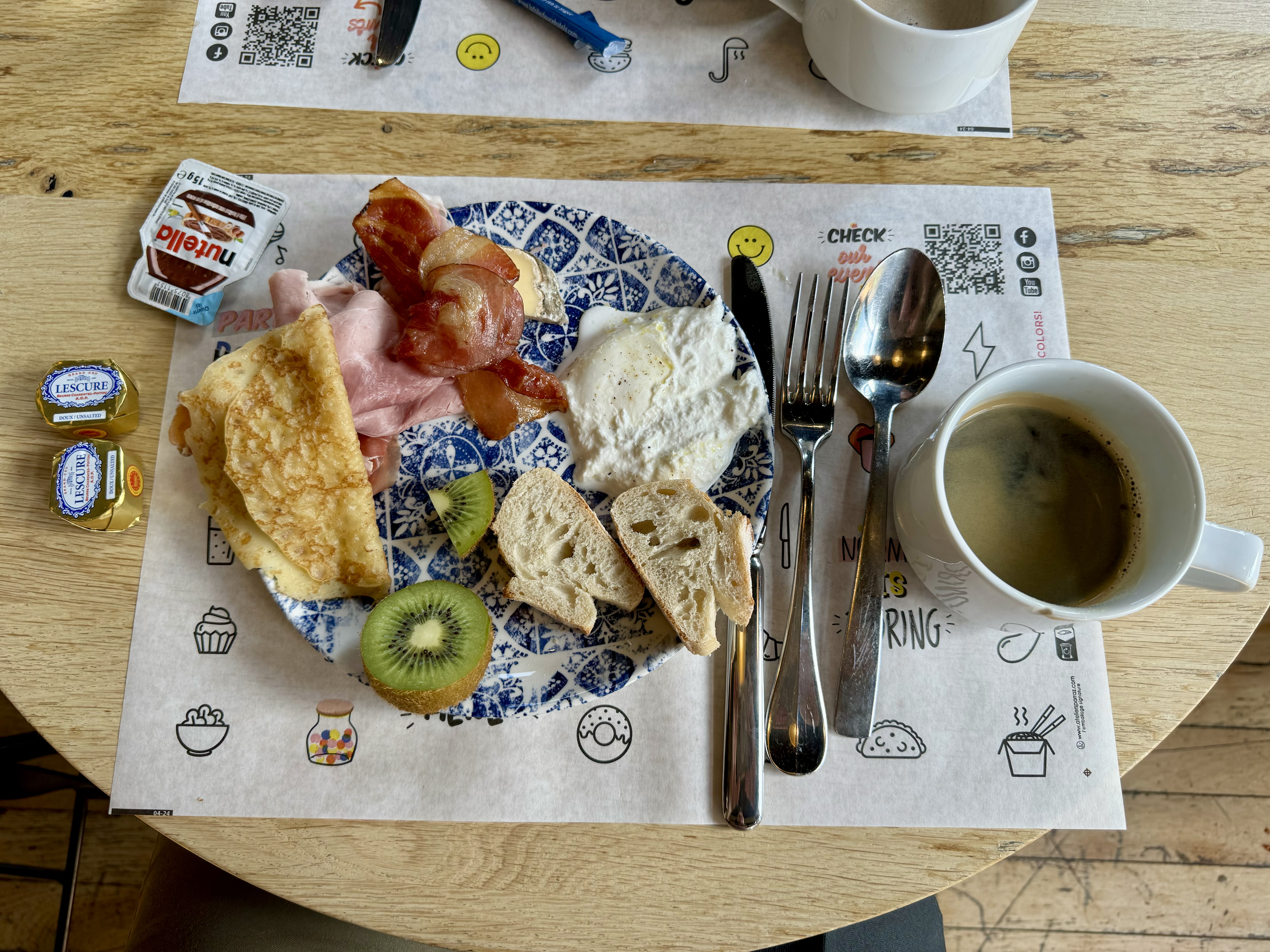
My Typical Breakfast Plate
At home I usually practice intermittent fasting and skip breakfast entirely.
On the Tour du Mont Blanc, that changed.
A typical breakfast for me looked something like this:
- Two eggs
- Fresh kiwi or other fruit
- Yogurt with jam
- Bread with butter, jam, or Nutella
- Cheese
- Coffee or cappuccino
I knew we would be climbing thousands of feet of elevation each day, so I never worried about calories. The goal was simple: eat enough food to stay fueled until lunch.
And it worked.
I never left breakfast hungry.
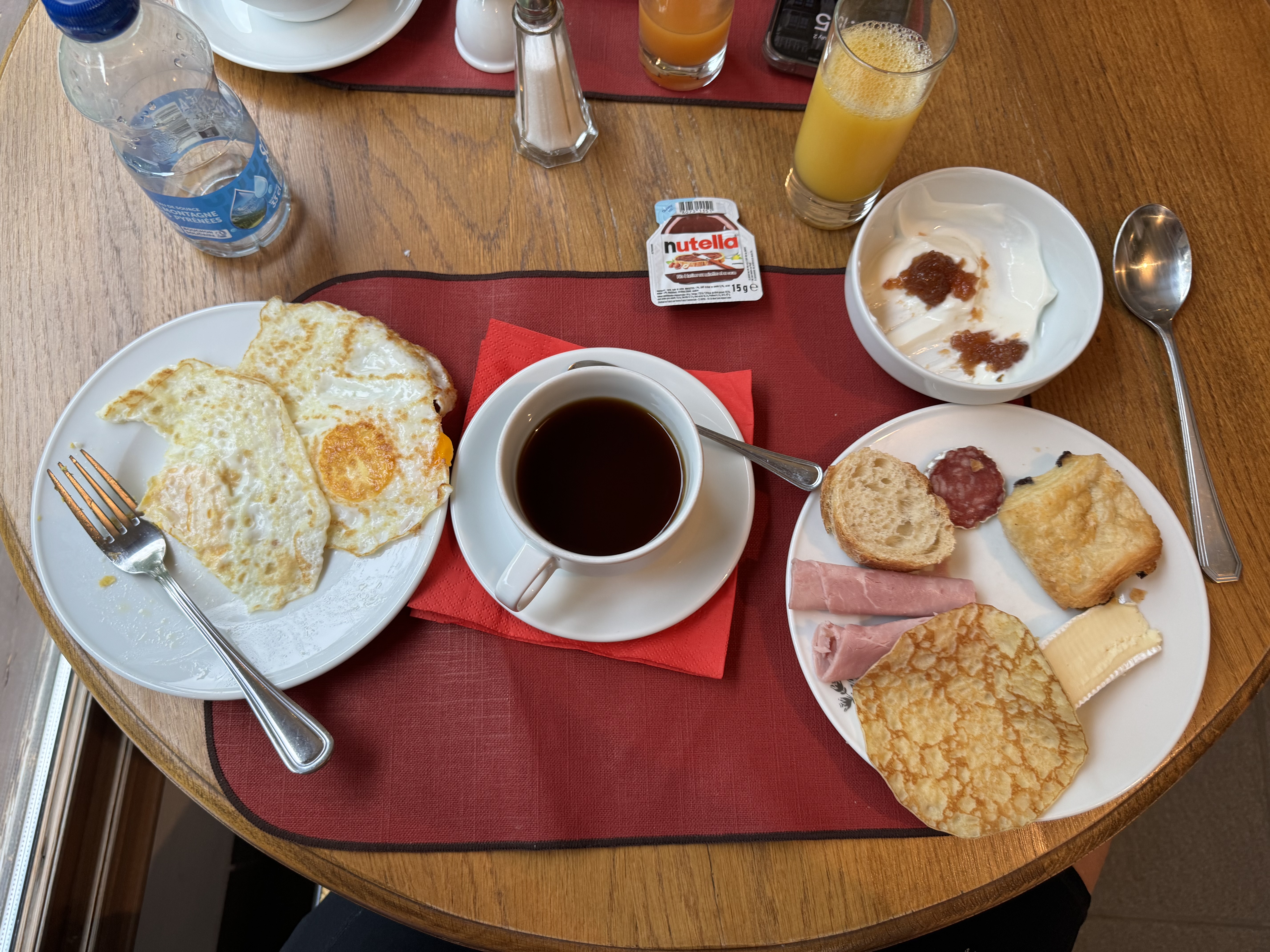
The Unexpected Star of the Show
One of my favorite discoveries on the trip was burrata cheese.
I had eaten mozzarella before, but burrata was a completely different experience. Several hotels served it alongside fresh tomatoes, and I found myself building little breakfast plates with burrata, tomatoes, and bread.
The funny part is that I don’t even particularly like tomatoes.
At home I’ll eat them in a salad or a sauce, but they’re not something I typically seek out. Somehow sitting in a small hotel dining room in the Alps, with fresh bread and creamy burrata, completely changed my opinion.
It’s one of the foods I most associate with the trip now. it might be hard to see in this photo but the burrata was hanging out at about 11 o’clock on my plate this particular morning. I loved pairing it with fresh vegetables and the delicious bread that was served at each meal.
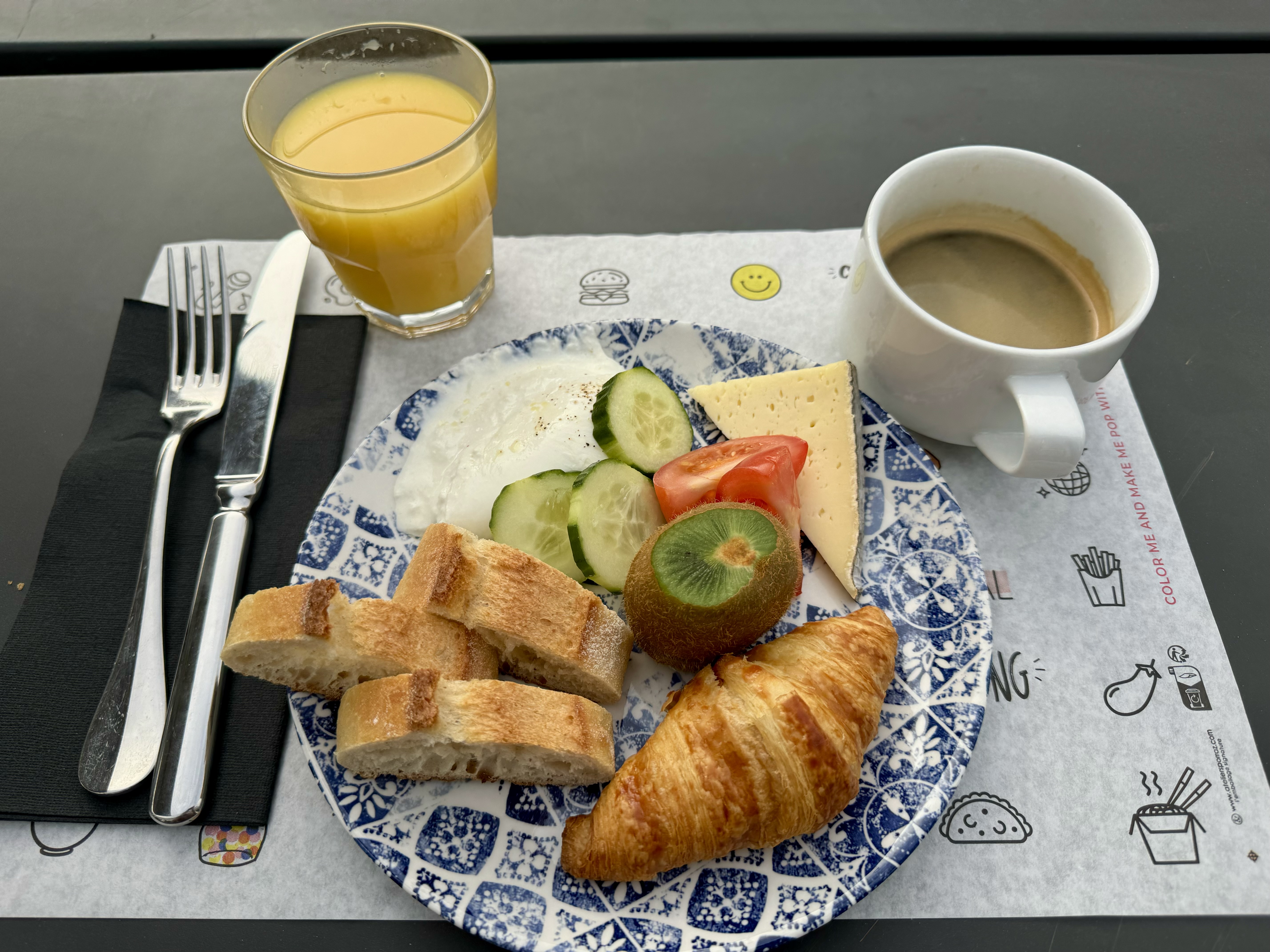
Why Breakfast Matters on the Trail
Most days we would hike for several hours before stopping for lunch.
Lunch often came after we completed the major climb of the day. If the ascent was especially long, lunch might not happen until early afternoon.
Many hikers carried protein bars, meat sticks, trail mix, and other snacks.
I was a little different.
Most days I didn’t even pack a formal lunch.
I usually tossed an apple or two into my backpack and carried squeeze packs of peanut butter for a quick boost if I needed it. Those peanut butter packets turned out to be one of my favorite trail snacks of the entire trip.
Breakfast did most of the heavy lifting.
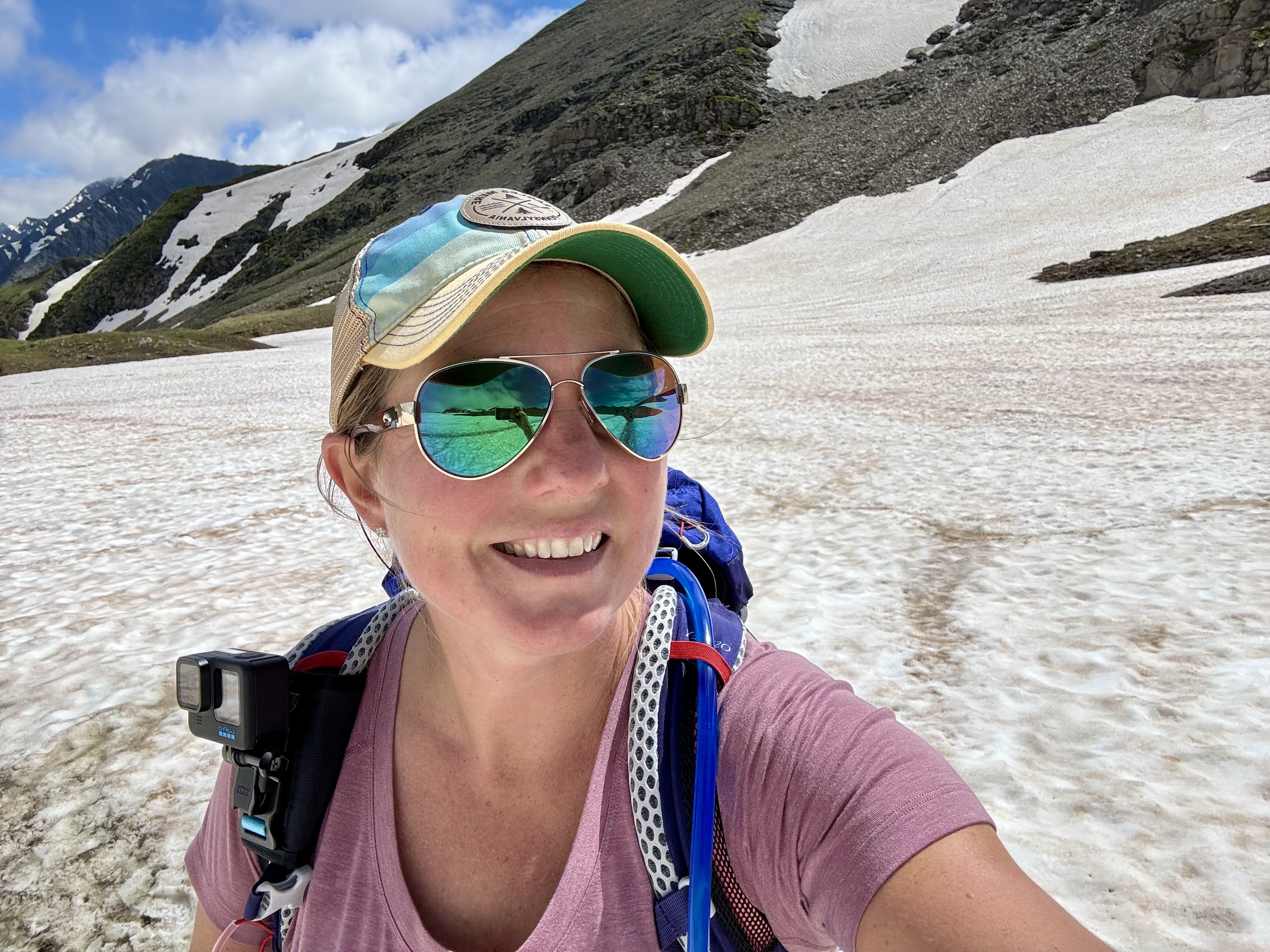
Knowing that I had eaten a solid meal in the morning gave me the energy I needed to focus on the hike instead of thinking about food.
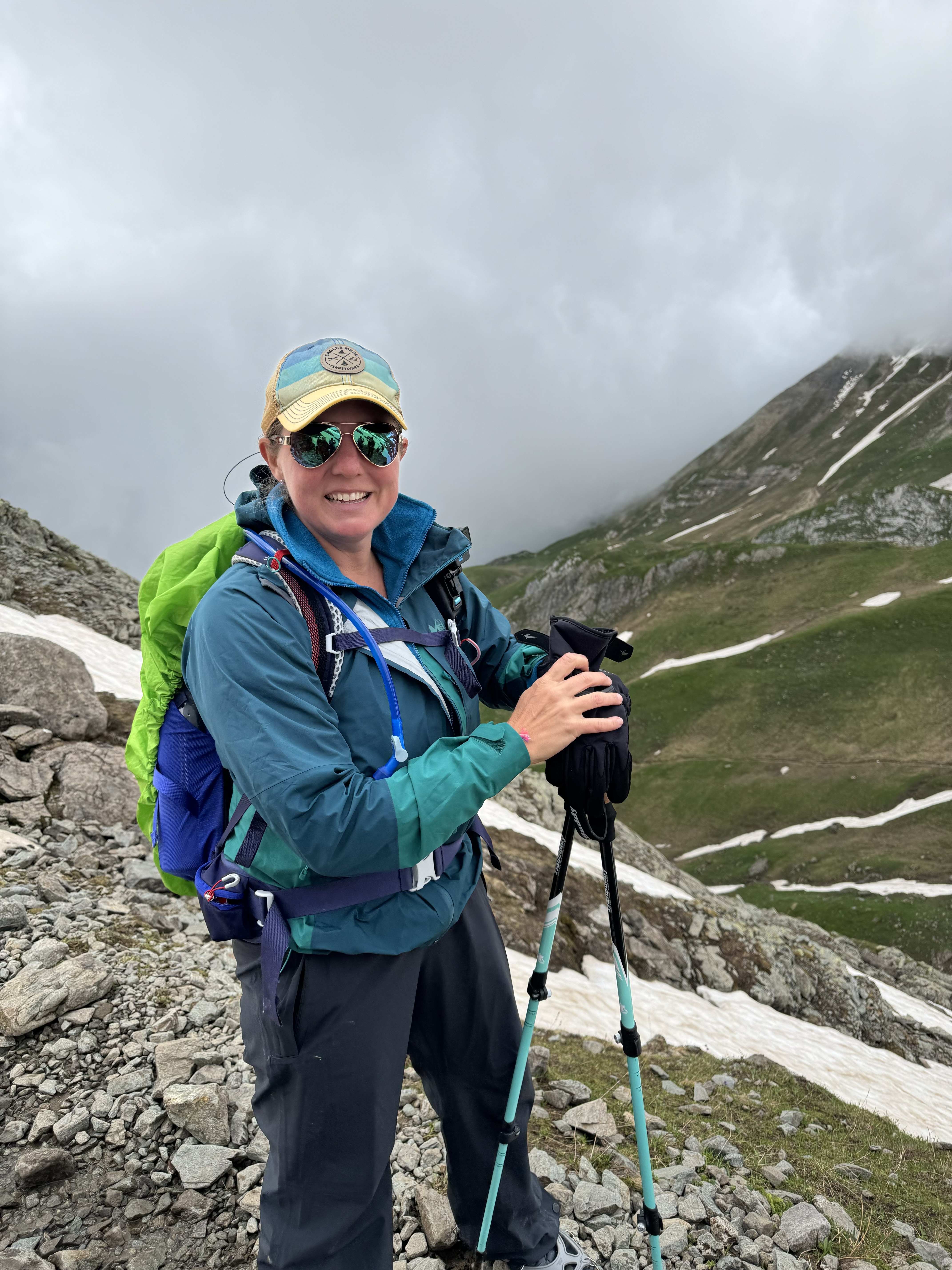
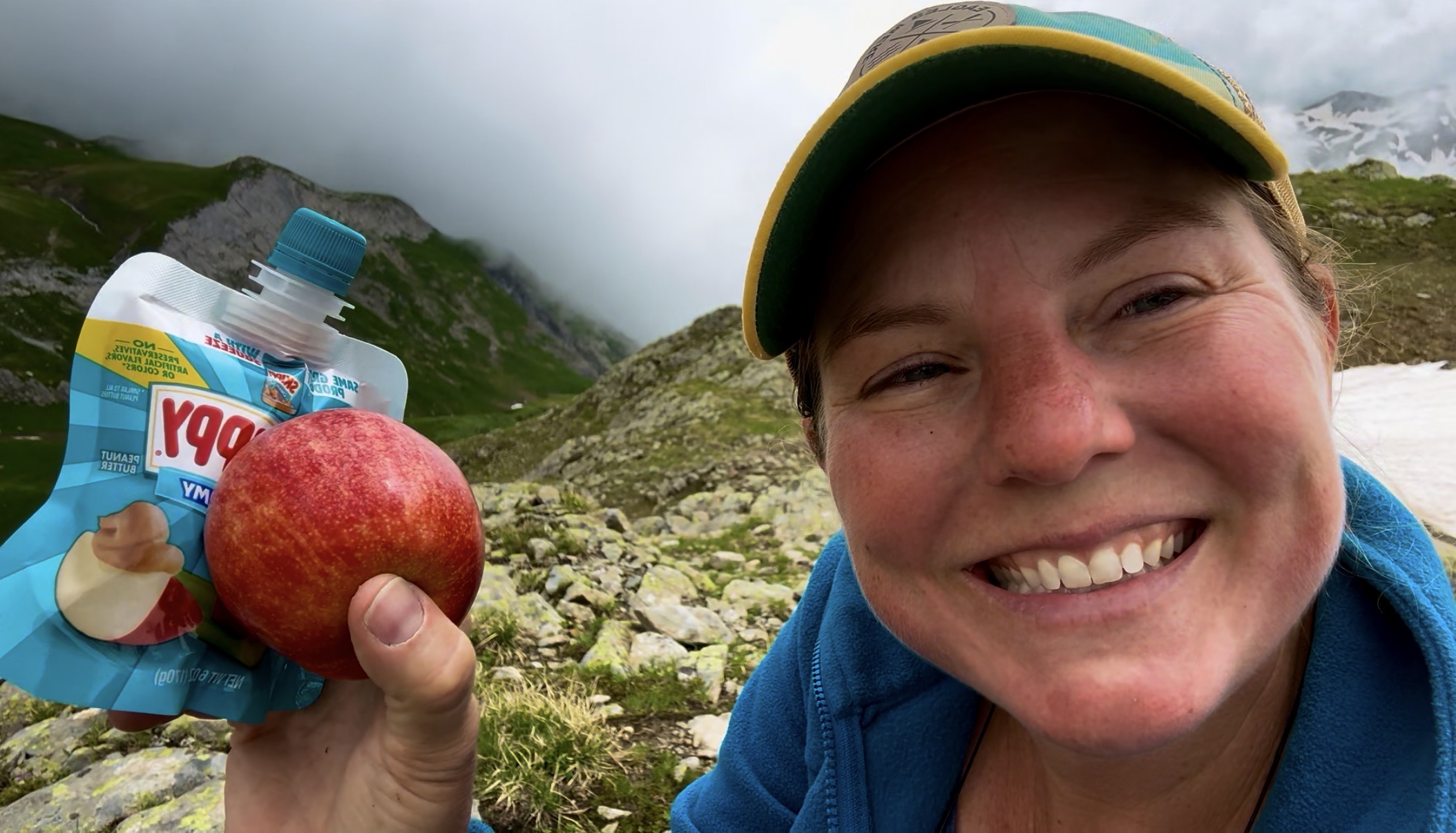
On days when I packed a snack, it was usually an apple and a squeeze pack of peanut butter. Simple, lightweight, and surprisingly satisfying.
Just How Many Calories Were We Burning?
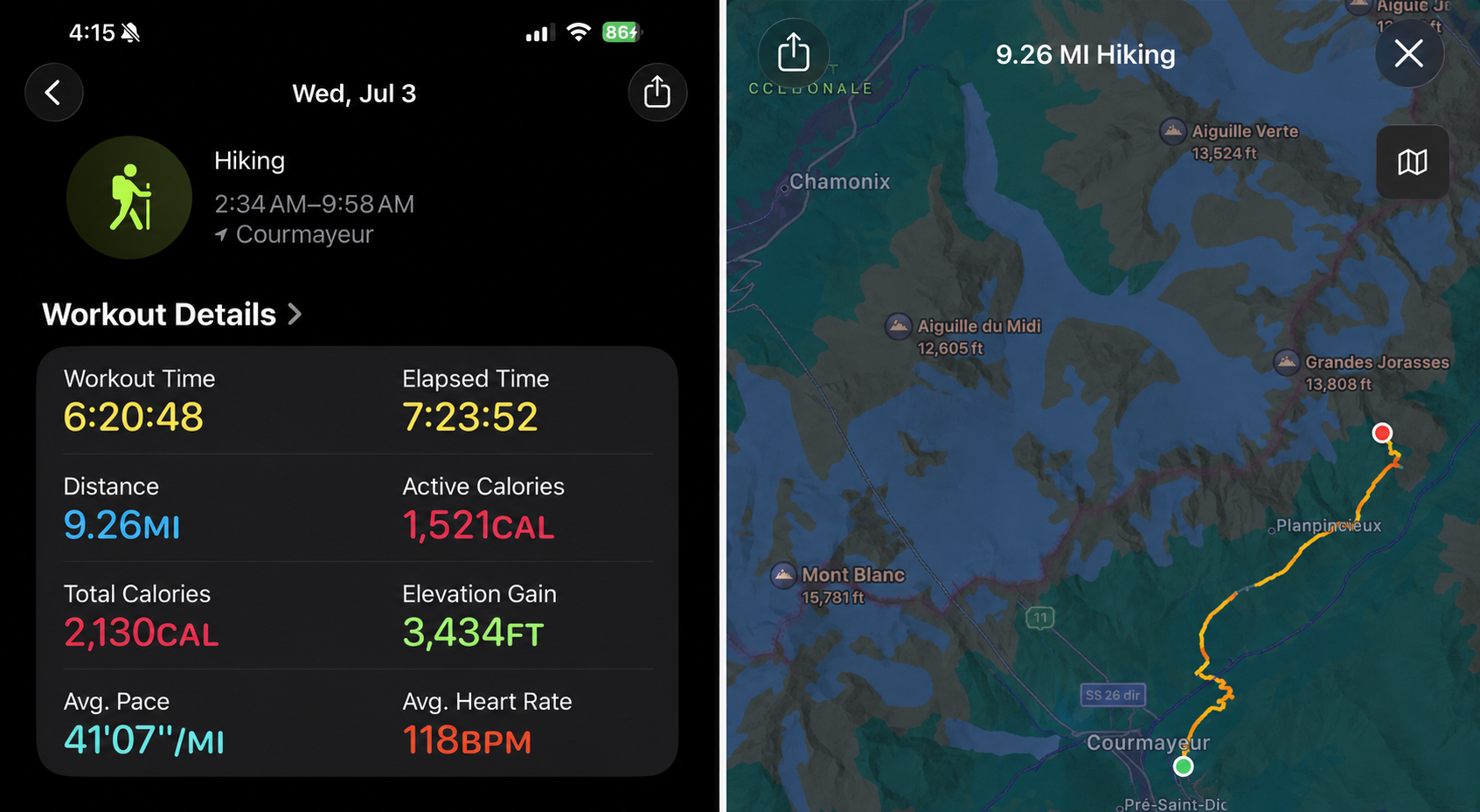
It’s hard to appreciate how much energy hiking in the Alps requires until you see the numbers. On one morning alone, before lunch, my watch recorded more than 1,200 calories burned and over 2,700 feet of elevation gain. Days like that made it easy to enjoy the bread, pastries, cheese, and coffee without a bit of guilt.
On full days The total burn wasn’t a ton more just because the afternoons were usually the decent but the number definitely added up.
Let’s Talk About the Coffee
I was slightly nervous about coffee before the trip. Coffee is a pretty big part of my day and not just any coffee that is covered over with cream and sugar. I typically drink black coffee wit no sugar so the flavor matters more than when you are adding lots of extra flavors into it.
Thankfully, I had no reason to worry.
Some hotels had espresso machines where you could order cappuccinos, lattes or an Americano with the push of a button. Others simply offered traditional coffee with cream, milk, and sugar on the side.
No matter where we stayed, the coffee was excellent.
I brought a travel mug with me and often filled it with black coffee before leaving the hotel each morning. On cold, rainy, or drizzly hiking days, pulling that mug out of my backpack and taking a sip of hot coffee was one of the small comforts that made a long day on the trail even more enjoyable.
There is something special about standing in the Alps, surrounded by clouds and mountain peaks, drinking hot coffee while hiking toward your next destination.
Breakfast Culture in the Mountains
Breakfast was always served buffet style, and people were careful not to take more than they would actually eat.
Many of the hotels were small family-run properties tucked into villages and mountain valleys. Sometimes there were chickens wandering around the property that the owners were collecting fresh eggs from each morning. Most food was delivered from nearby communities, and there was a general respect for not wasting it.
I appreciated that.
Most mornings I ate with my sisters, but often other hikers from our group would join us. Everyone had their own morning routine.
Some people were up early, enjoying coffee and taking their time before departure. Others preferred to sleep until the last possible minute and rush downstairs before the vans arrived.
No matter their schedule, everyone eventually found their way to the breakfast buffet.
The Best Part
One of the things I loved most about the Tour du Mont Blanc was the complete lack of guilt around food.
I ate the pastries.
I ate dessert.
I drank the wine.
I enjoyed the bread, cheese, butter, and coffee.
And despite all of that, I finished the trip at essentially the same weight I started.
When you’re hiking for seven to eleven hours a day and climbing thousands of feet of elevation, your body has a way of putting those calories to good use.
Every morning’s breakfast felt like an investment in the adventure ahead.
Looking back, the breakfasts weren’t just about food. They became part of the rhythm of the trip. A hot cup of coffee, a plate of good food, conversations with my sisters, and the anticipation of another day on the trail.
Not a bad way to start the morning.
I will keep adding more about my hike and as I do, I’ll try to link back to the previous ones. Here is the only other post I have up on TMB at the moment.


Speak Your Mind